Exploring the rolling hills of Siena on horseback is a dream for many travelers, but navigating the logistics can quickly turn excitement into frustration. Over 60% of visitors report wasting precious vacation time researching stables, questioning safety standards, or missing hidden trails known only to locals. The challenge isn't just finding a riding outfit – it's securing an authentic experience that matches your skill level while soaking in UNESCO-listed landscapes. First-time riders worry about unpredictable terrain, while seasoned equestrians struggle to find advanced routes beyond touristy group walks. Without insider knowledge, you might miss golden-hour rides through sunflower fields or medieval paths connecting historic estates.
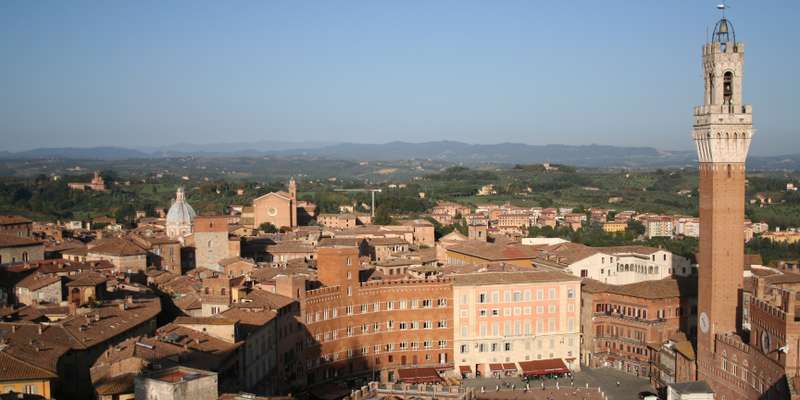
Choosing the right stable – safety and scenery combined
The foundation of a memorable Siena riding experience lies in selecting a reputable stable that aligns with your goals. Local operators range from mass-market outfits to family-run farms with generations of equestrian heritage. Look for Federazione Italiana Sport Equestri (FISE) certification, which ensures trained guides and well-cared-for horses. For panoramic views, seek stables near the Crete Senesi clay hills or along the ancient Via Francigena pilgrimage route. Morning sessions often provide cooler temperatures and softer light for photography. Many smaller stables limit groups to six riders, offering personalized attention – a crucial factor if you're new to riding or bringing children. Always inquire about weight limits and whether horses are matched to rider experience levels; some farms specialize in gentle breeds for beginners while others cater to advanced jumpers.
UPDATES FOR YEAR 2026
Essential Safety Standards and New Logistics for Trail Riders
Current regulations in Tuscany have introduced a formal 'Horse-Athlete' status, requiring all reputable stables to maintain stricter veterinary certifications and digital health passports for their animals. For travelers, this ensures higher welfare standards but also means that booking platforms now require digital pre-registration and proof of personal liability insurance—often available as a small daily supplement at the stable. Additionally, many Siena trail networks now operate under strict capacity quotas to preserve the delicate clay landscapes of the Crete Senesi; we highly recommend securing your permits through your guide at least four weeks in advance. To protect both horse and rider, local operators have also implemented mandatory Heat Mitigation Protocols, which shift trail departure times to early mornings or late evenings if local temperatures are forecasted to exceed 35°C (95°F).
View all Tours
Trail secrets – beyond the standard tourist routes
While most tours include the iconic cypress-lined roads near San Giovanni d'Asso, true magic lies in lesser-known pathways. Local riders favor the medieval 'strade bianche' (white gravel roads) winding through vineyards between Montalcino and Pienza. These offer steady footing and breathtaking valley vistas without coach traffic. For multi-day adventures, ask about the Eroica trail network – originally created for vintage bicycle races but perfect for horseback exploration of abandoned monasteries and thermal springs. Sunset rides through wheat fields near Asciano reveal why this area inspired Renaissance painters. Many guides will customize routes if you mention specific interests like wildlife spotting (hares, pheasants) or photo opportunities at isolated chapels. Remember that August brings harvest activity, creating vibrant landscapes but busier farm lanes.
View all Tours
Seasonal considerations – when to ride for optimal experience
Timing your Siena horseback adventure dramatically impacts comfort and scenery. Spring (April-May) delivers wildflowers and mild temperatures ideal for longer treks, though some trails may be muddy from winter rains. Early summer mornings before July's heat are perfect for cantering through poppy fields, while autumn offers grape harvest energy and fiery foliage. Many stables close in January-February due to icy conditions. A little-known fact: September sees fewer crowds but maintains warm weather, with the added bonus of olive harvest preparations. Rainy days needn't cancel plans – several estates offer covered arenas with countryside views for riding lessons. If visiting during Palio season (July-August), book weeks ahead as local guides are in high demand. Winter riders should pack layers; the crisp air provides crystal-clear views of snow-dusted hill towns.
View all Tours
Combining culture and equestrian adventures – unique itinerary ideas
Transform your riding excursion into a deeper Tuscan immersion by pairing it with regional highlights. Several agriturismos offer 'ride and dine' packages where you trot to organic vineyards for wine tastings inaccessible by car. History buffs can coordinate rides ending at abbeys like Sant'Antimo for Gregorian chant performances. For families, look for stables near educational farms where children can groom horses before short pony rides. Art enthusiasts might follow trails connecting Piero della Francesca fresco locations, while foodies can time rides around truffle hunting seasons. Some luxury estates provide transfers to thermal spas post-ride – perfect after a multi-hour journey. If staying in Siena proper, opt for stables offering sunset returns with panoramic city views. These combinations turn a simple activity into a storytelling-worthy travel moment that captures Tuscany's essence beyond surface-level tourism.
View all Tours
FAQ 2026
Do I need to book my Siena horseback riding tour in advance for 2026?
Yes, due to new environmental protection quotas and group size limits in the Crete Senesi and Val d’Orcia, it is essential to book your ride at least 4 to 6 weeks in advance for 2026, especially during the peak harvest months.
What are the new safety requirements for riders in Tuscany in 2026?
In 2026, all riders are required to confirm they are covered by personal liability insurance. Most FISE-certified stables now offer a 'Guest License' supplement which covers this legal requirement and ensures the stable meets the latest Italian 'Horse-Athlete' welfare standards.
How do 2026 heat regulations affect trail riding schedules in Siena?
Under the 2026 updated Heat Mitigation Protocols, stables are prohibited from conducting trail rides during high-heat alerts. If temperatures are predicted to rise above 35°C, expect your tour to be rescheduled for the cooler 'Golden Hour' at sunrise or sunset.
Written by Siena Tours Editorial Team & Licensed Local Experts.
Last updated: 24/02/26
