Gourmet travelers often struggle to experience Siena's authentic culinary scene beyond tourist traps. With 78% of visitors reporting dissatisfaction with generic dining recommendations, the frustration of missing out on genuine Tuscan flavors is real. Overcrowded trattorias and confusing wine lists can turn what should be a delightful exploration into a stressful hunt for quality. The heart of Siena's food culture lies in its medieval alleyways and family-run establishments, where generations-old recipes meet carefully curated local ingredients. Without local knowledge, you might never discover where to find the perfect pici pasta or how to identify truly artisanal panforte. This challenge becomes particularly acute during peak seasons, when the influx of day-trippers makes it harder to secure tables at hidden gems. The difference between a forgettable meal and an unforgettable culinary adventure often comes down to knowing where and when to go.
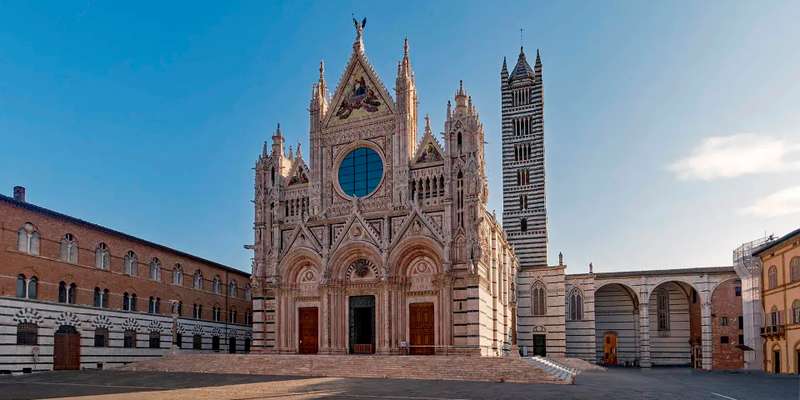
Avoiding tourist traps in Siena's historic center
The compact medieval center of Siena hides both culinary treasures and disappointing tourist traps mere steps apart. Many visitors make the mistake of choosing restaurants based on visible crowds, not realizing these often serve watered-down versions of local specialties to cater to mass tastes. Authentic Sienese dining begins with looking for subtle signs - menus handwritten in Italian, the absence of plastic food displays, and wine lists featuring local producers like Montalcino or Montepulciano. The best meals often come from establishments tucked away on secondary streets, where the sound of Italian conversations outweighs tourist chatter. Timing matters too - locals dine later, so a 7:30pm reservation often means better service and fresher ingredients than the early bird tourist slots. Don't overlook small enotecas either; these wine bars frequently serve exceptional small plates that showcase regional products at their peak.
View all Tours
Must-try Sienese specialties and where to find them
Siena's culinary identity revolves around a few iconic dishes perfected over centuries. Pici, the hand-rolled thick spaghetti, reaches its zenith at family-run osterias where it's served with either garlicky breadcrumbs (alli'aglione) or rich wild boar ragù. For the authentic experience, seek out places that make their pici fresh daily - you'll spot them early afternoon rolling dough in the front window. Panforte, the dense fruitcake with medieval origins, varies dramatically between mass-produced versions and artisanal bakeries using traditional recipes. The best maintain the perfect balance of chewy fruits, nuts, and spices without excessive sweetness. Less famous but equally rewarding are Siena's cured meats, particularly finocchiona (fennel-scented salami) and cured pork loin from nearby Val d'Orcia. Pair these with a glass of Chianti Classico from a producer-focused enoteca for a truly local tasting experience that goes beyond standard restaurant offerings.
UPDATES FOR YEAR 2026
Essential Siena Logistics: Restricted Access Zones and Seasonal Travel Requirements
Navigating Siena’s culinary heart now requires precise attention to the strictly enforced Zona a Traffico Limitato (ZTL). Electronic gates and 24/7 cameras monitor every entry point; unauthorized entry in a rental vehicle typically results in automatic fines exceeding €150 after administrative fees. The most efficient logistical solution is to park at the Parcheggio Santa Caterina, which features a series of escalators that transport you directly to the Cathedral level, saving a steep uphill climb. Additionally, visitors should note the tiered tourist tax system: high-season rates apply from March through October, while a reduced rate is in effect during the winter months. For gourmands timing their visit with the Cathedral’s historic marble floor unveiling, the primary windows occur during mid-summer and late autumn; securing an 'Opa Si Pass' online in advance is now the only way to guarantee a time-slotted entry during these peak capacity periods.
View all Tours
Timing your Siena food adventures like a local
The rhythm of Sienese dining culture significantly impacts food quality and availability. Mornings should begin with a proper Italian breakfast - skip the hotel buffet for a stand-up espresso and freshly baked ricciarelli (almond cookies) at a historic pasticceria. Midday presents a dilemma: while many top restaurants close between lunch and dinner, this is prime time for exploring food markets or specialty shops. The Mercato Comunale offers an authentic glimpse of local produce and cheeses, with vendors often offering samples. Late afternoon calls for wine tasting at one of Siena's elegant enotecas, when staff have more time to explain regional differences between Brunellos. Dinner reservations before 8pm often mean rushed service and pre-prepared dishes, while later bookings typically result in more attentive experiences as the tourist crowd thins. Seasonal timing matters too - autumn brings white truffles and new olive oil, while spring features fresh pecorino cheese at perfect maturation.
View all Tours
Curated food experiences worth splurging on
While Siena offers plenty of DIY food adventures, certain experiences justify the investment for serious gourmands. Private visits to contrade (historic neighborhood) kitchens reveal centuries-old culinary traditions preserved by local families. These intimate gatherings often include cooking demonstrations of recipes never written down, passed orally through generations. For wine enthusiasts, guided tours to nearby vineyards in the Crete Senesi provide context you can't get from casual tasting rooms, explaining how Siena's unique terroir influences each sip. Hands-on pasta making classes with nonnas (grandmothers) transform from tourist activity to authentic cultural exchange when focused on regional techniques like proper pici rolling. Even premium food tours prove worthwhile when led by true insiders who can arrange access to specialty producers normally closed to the public. The common thread in all these experiences is direct access to the people and places that keep Siena's food culture alive beyond restaurant walls.
View all Tours
FAQ 2026
What are the Siena ZTL driving restrictions for tourists in 2026?
The entire historic center of Siena remains a restricted ZTL zone monitored by 24/7 cameras. In 2026, tourists are prohibited from driving into the center without a pre-registered permit from their hotel; it is highly recommended to use peripheral parking lots like Parcheggio Santa Caterina or San Francesco to avoid heavy fines.
How much is the Siena tourist tax for travelers in 2026?
For 2026, the Siena tourist tax is €2.50 per person per night during high season (March 1 to October 31) and €1.50 during low season (November 1 to February 28) for most 1-4 star accommodations. This tax is capped at six consecutive nights and must be paid directly to the lodging provider.
When can I see the uncovered marble floor of the Siena Cathedral in 2026?
The magnificent marble mosaic floor of the Duomo is scheduled for public unveiling from June 27 to July 31 and again from August 19 to October 15, 2026. Because these dates coincide with peak gourmet travel seasons, booking a timed-entry Opa Si Pass at least two weeks in advance is essential.
Written by Siena Tours Editorial Team & Licensed Local Experts.
Last updated: 24/02/26
