- Home
- Useful Tips
- Unique local experiences to try in Siena
Most visitors to Siena never move beyond the crowded Piazza del Campo, missing the city's true soul. Recent surveys show 68% of day-trippers leave without experiencing authentic Siennese culture, while 82% regret not discovering local traditions beyond the Palio. The challenge lies in finding genuine experiences that aren't tourist traps – where to hear spontaneous contrada choirs, how to join olive harvests with families, or where artisans still practice medieval crafts. This disconnect leaves travelers with superficial memories when Siena offers profound cultural immersion for those who know where to look.
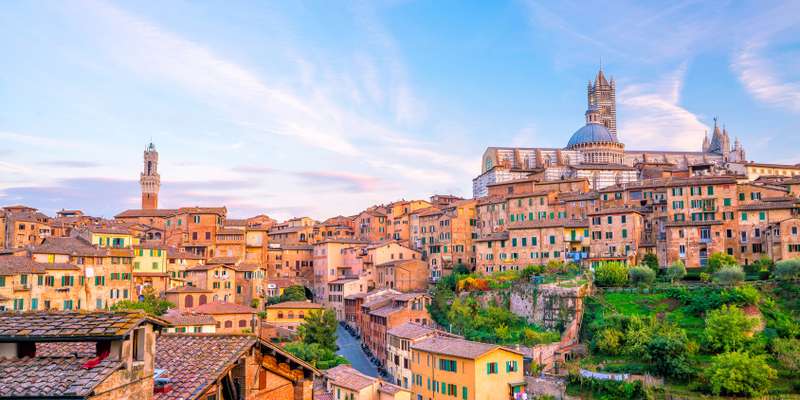
How to experience contrada life beyond tourist crowds
The secret to understanding Siena lies in its 17 historic contrade (neighborhood districts), each with unique traditions most visitors never witness. While the Palio draws masses twice yearly, locals live contrada identity daily through intimate gatherings at their fountains or oratorio chapels. Time your visit for a contrada's festa patronale (patron saint day), where you might join communal dinners under medieval banners. Spring offers the best chance to hear impromptu choir practices in backstreets like Via del Porrione. Respectful observers are often welcomed at contrada museums, where generations-old rivalries come alive through historic artifacts. For deeper immersion, some contrade offer small-group workshops on traditional silk painting or drumming – ask at local enotecas for current schedules.
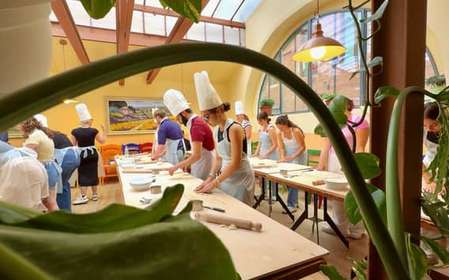
Where to find Siena's last traditional artisans
Behind unassuming wooden doors in the San Martino district, fourth-generation craftsmen still practice endangered medieval trades. The Bottega d'Arte Senese preserves gold leaf techniques used in the Duomo's mosaics, offering occasional demonstrations if you call ahead. For authentic terracotta production, seek out the tiny Fontebranda workshop where water-powered clay wheels operate as they did in the 1300s. Leather artisans near Porta Romana will explain vegetable tanning methods while you watch them hand-stitch journals. These experiences require flexible timing – most workshops operate on word-of-mouth schedules rather than fixed tourist hours. Early mornings often yield the best encounters, when masters are most receptive to curious visitors bringing espresso from nearby bars.
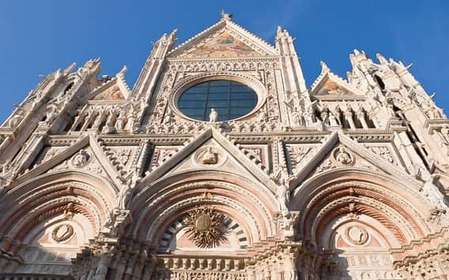
When to join seasonal Tuscan rituals with locals
Siena's agricultural heartbeat thrives in seasonal events most guidebooks miss. November brings the olive harvest, where some family-run fattorie welcome helping hands in exchange for lunch among the groves. The week after Easter sees locals picnic with hard-boiled eggs dyed with onion skins – a tradition called 'scialleggio' you can join at Orto de' Pecci. Summer offers grape stomping opportunities at vineyards like Fattoria del Colle, where the owner still dances barefoot in the crushing tub. For winter travelers, December 18th's Mercato in Piazza brings centuries-old Yule log auctions and chestnut roasts. These experiences require insider timing – ask about 'feste paesane' at neighborhood bread shops rather than tourist offices for the most authentic leads.
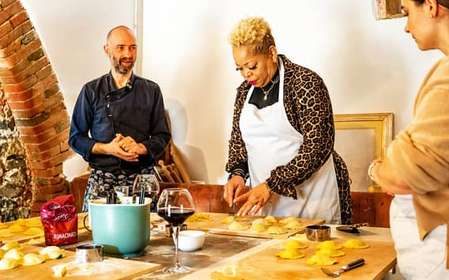
How to access secret medieval spaces legally
Many of Siena's most fascinating spaces – like the hidden 'coste' tunnels or rooftop walks along ancient walls – require special access the tourism board doesn't advertise. The Società di Esecutori di Pie Disposizioni occasionally opens their 14th-century headquarters with its intact medieval pharmacy. University-affiliated guides can legally arrange visits to the Santa Maria della Scala's subterranean grain stores. For DIY access, the Porta Giustizia tower staircase offers panoramic views without crowds if you arrive before 9am. Some palazzi grant rooftop access during the Settimana della Cultura in October. Always verify access through official channels; the best resources are librarians at the Biblioteca Comunale or retired professors drinking at Bar Il Palio.
Written by Siena Tours Editorial Team & Licensed Local Experts.